Daily Driving Practices to Maximize Your Intensive Course Experience
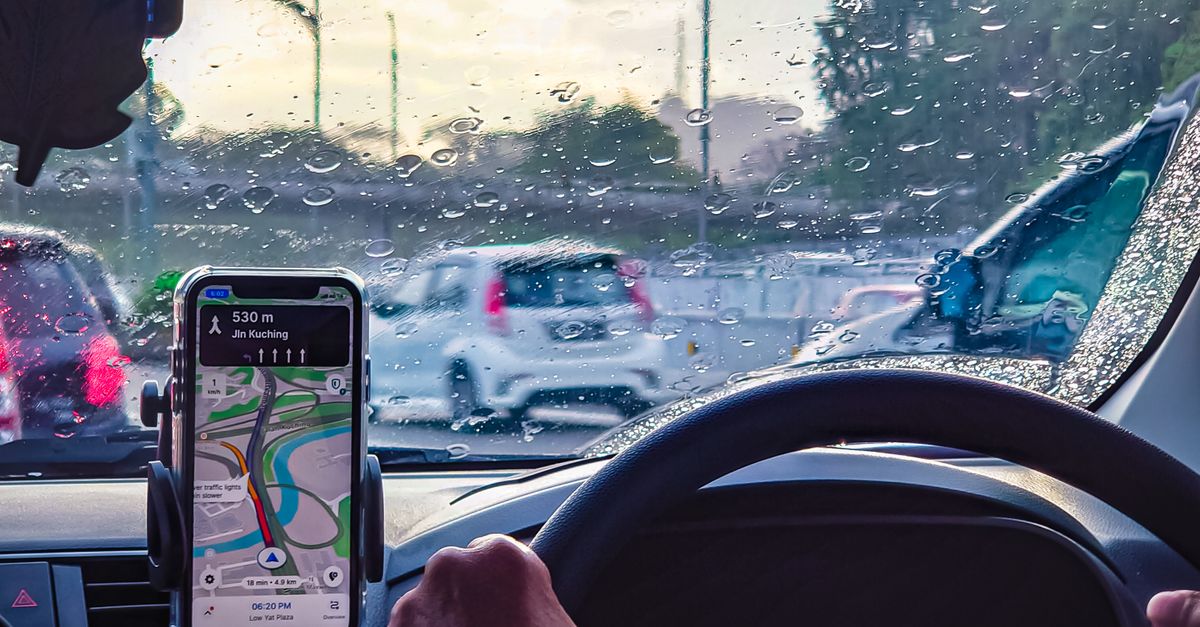
Table Of Contents
Navigating Different Road Conditions
Familiarity with various road conditions can significantly impact your driving proficiency. Wet roads demand a more cautious approach. Reduced traction means adjusting your speed and increasing your following distance. Drivers should be particularly attentive to transient hazards like puddles which can lead to aquaplaning. While navigating in fog or heavy rain, using headlights correctly enhances visibility without blinding oncoming traffic, ensuring safer travel.
Urban environments often present unique challenges such as heavy traffic and pedestrians. Anticipating sudden stops is essential, especially near schools or busy shopping areas. Keep an eye out for cyclists, who may share the road space. In contrast, rural driving can involve unsealed roads and wildlife, requiring vigilance and the ability to react quickly to unexpected encounters. Understanding the nuances of these settings will build your confidence and improve your overall driving skills.
Tips for Adapting to Various Environments
Adapting to various driving environments requires keen observation and flexibility. When driving in rural areas, be mindful of changing speed limits and unexpected wildlife crossings. Urban driving presents its own challenges, with busy intersections and pedestrians. Focus on maintaining a safe following distance and anticipate actions from other road users. Rain or fog can drastically reduce visibility; adjust your driving speed and use headlights when necessary to ensure safety.
Understanding the unique characteristics of different environments enhances your confidence behind the wheel. For coastal driving, watch for strong winds and shifting sand on the roads, which can compromise traction. In mountainous regions, it is crucial to use proper braking techniques on downhill slopes. Practising different scenarios during your intensive course will provide valuable experience. This exposure will prepare you for real-world driving situations, ensuring you are well-equipped regardless of where you find yourself on the road.
Communicating with Your Instructor
Effective communication with your instructor can significantly enhance your learning experience. Being open about your concerns can help tailor the lessons to your needs. Don't hesitate to ask questions if something is unclear. This proactive approach can lead to a better understanding of driving techniques and rules. Establishing a rapport with your instructor also creates a more comfortable atmosphere, allowing for more engaging and productive lessons.
Additionally, make sure to listen actively during instructions and feedback sessions. Taking notes can be beneficial, providing a reference for future practice. Demonstrating that you value their input encourages a two-way dialogue. This can often lead to personalised tips that make a difference in your development as a driver. Building this strong communication foundation fosters trust and helps you to gain confidence behind the wheel.
Seeking Constructive Feedback
Feedback plays a crucial role in enhancing your driving skills during an intensive course. Regularly asking your instructor for specific insights can help identify areas for improvement and reinforce positive behaviours. Instead of waiting for end-of-lesson critiques, seek real-time comments during practice sessions. This proactive approach allows you to correct mistakes quickly and solidify good habits before they become ingrained.
Being open to constructive criticism is essential for growth. When receiving feedback, listen carefully and resist the urge to defend your actions. Acknowledging areas where you can improve fosters a better learning environment and demonstrates your commitment to becoming a more skilled driver. Jotting down key points can also be beneficial. Reviewing these notes between lessons allows for targeted focus on particular skills or techniques that need refinement.
Using Technology to Enhance Learning
Incorporating technology into your driving practice can significantly enhance your learning experience. Numerous apps designed specifically for drivers can provide valuable insights and track your progress. Features like GPS navigation can help you familiarise yourself with routes, while driving simulators offer a safe space to practice manoeuvres without the pressures of real-world traffic. Furthermore, many modern vehicles come equipped with advanced safety and navigation systems that allow for hands-on experience with the latest driving technologies.
Utilising video tutorials can also be beneficial. Various platforms offer instructional videos covering techniques from basic operations to more complex driving scenarios. Observing these demonstrations allows you to visualise the correct methods before attempting them yourself. Recording your own driving sessions for later review can provide clarity on areas that need improvement. Engaging with these resources fosters a proactive learning environment, ensuring that you optimise your time behind the wheel.
Incorporating Driving Apps and Tools
Digital tools can significantly enhance the learning experience during your intensive driving course. Many driving apps track performance metrics such as acceleration, braking patterns, and overall vehicle control. These insights help you identify areas that require improvement and offer a quantifiable way to measure progress, making it easier to set specific goals for your learning journey.
Navigation apps provide a practical way to familiarise yourself with different routes and road layouts. They can help you practice driving in various conditions, including urban, suburban, and rural environments. Some applications even offer real-time traffic updates, enabling you to adapt your driving strategies accordingly, thus enhancing your situational awareness and preparedness on the road.
FAQS
What are some key strategies for driving in different road conditions?
Key strategies include adjusting your speed according to the conditions, maintaining a safe following distance, using headlights appropriately, and being aware of any potential hazards specific to the environment, such as wet roads or loose gravel.
How can I effectively communicate with my driving instructor?
You can effectively communicate with your driving instructor by asking specific questions about your performance, clarifying any doubts you have regarding techniques, and sharing your thoughts on areas you feel comfortable in and those you find challenging.
What types of feedback should I seek from my driving instructor?
Seek constructive feedback that highlights both your strengths and areas for improvement. Focus on specific driving skills such as manoeuvring, observation, and adherence to road rules, and ask for suggestions on how to enhance those skills.
What driving apps can help me improve my skills during my intensive course?
Apps like Google Maps for route planning, Waze for real-time traffic updates, and driving-specific apps like DriveSafe can assist you in improving your navigation skills and better understanding road conditions.
How can I integrate technology into my learning process during the course?
You can integrate technology by using driving apps for practice, recording your driving sessions to review later, and using online resources for additional tutorials and tips that can complement what you learn in your intensive course.
Related Links
How Intensive Driving Lessons Can Help You Pass Your Test FasterIntensive Driving Courses: A Comprehensive Guide for New Drivers
Intensive Driving Lessons vs Traditional Lessons: Which Is Right for You?
Understanding the Structure of Intensive Driving Programs in Marrickville
Preparing for Your Intensive Driving Course: Tips and Advice